Jan 8th 2026
Indoor Hydroponic Systems: What You Need and What to Avoid
By using nutrient-rich water, hydroponics allows you to grow plants without the need for soil, resulting in increased yields, quicker growth, and significant water savings. Hydroponics provides a space-efficient, and sustainable method of farming all year round.
Indoor gardening has become more and more popular for a number of reasons. Many people are investigating alternative farming practices due to the growing concern over food security and sustainable agriculture. Urbanization has also reduced the amount of area available for conventional farming, which makes hydroponics a desirable alternative for city dwellers.
What Do You Need to Run a Successful Indoor Hydroponic System?
Use Supplemental Lighting
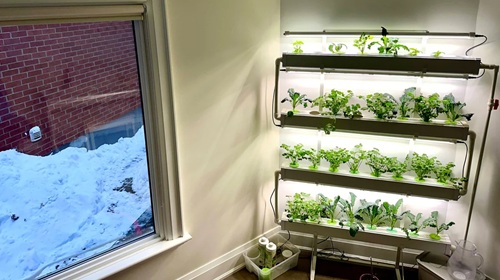
One of the most important things for your indoor hydroponic garden is enough supplemental lighting. Don't depend solely on natural light. Even if there is a lot of natural light in your growing space, you should still consider special growing lights. Install LED grow lights and place them close enough to your plants to be effective, but not so close as to singe or wilt them. Additionally, rotate your plants or move your lights on a regular basis to make sure they're all receiving enough light.
Stay on Top of Water Changes and Top Offs
Missing water changes or letting the water level get too low can harm the roots of your plants. Depending on its reservoir capacity and rate of evaporation, each system needs a varied water-maintenance schedule to function properly. To determine when it's time to add new water, find out how frequently you should change the water in your particular system and make a record of each time you top it off.
You Need Proper Air Circulation, Temperature and pH Level
Particularly in small enclosures – indoor spaces can grow stagnant, which prevents adequate ventilation around plants. If this is occurring, we advise using oscillating fans to keep your indoor hydroponic garden's airflow steady. Researching the particular requirements of your crops is crucial because different plants have different needs for humidity and temperature.
For the majority of plant kinds, we advise keeping humidity levels between 40 and 70% and temperatures between 60 and 80 degrees Fahrenheit (leafy greens like spinach prefer a cooler environment). To monitor and control the indoor climate for optimal outcomes, it could be wise to place a thermometer near your system.
Plants have distinct pH preferences, and changes in the recommended range might result in nutritional deficits. Variations in pH levels can harm your plants resulting in yellowing leaves and plants that look unhealthy. Regularly test the pH of your nutrition solution and adjust to meet your plants' needs, ensuring they can absorb critical nutrients successfully. The majority of leafy greens require a pH level between 5.5 and 7.5, with a target of 6.
Hydroponic System Cleaning and Maintenance
Imagine returning from a weekend trip to discover that your pumps are blocked with dirt or that your reservoirs are covered in algae. Beginners frequently fall into the trap of neglecting upkeep. Despite their efficiency, hydroponic systems do need some maintenance; neglecting cleaning or nutrient changes encourages the growth of algae, pests, and illness. Make a basic maintenance schedule that includes routine nutrient solution replacement, reservoir cleaning, and pump inspections. Major headaches can be avoided by taking care of your system for just a few minutes a week. Maintaining consistency helps you achieve bountiful hydroponic harvests.
Common Mistakes to Avoid in Hydroponic Gardening
Mind the Roots
Have you ever observed your plants drooping despite the reservoir being full, or watched roots becoming mushy and brown? Water is essential to hydroponics, but too much or too little can be fatal. Hydroponic systems supply water and nutrients directly, in contrast to soil, which retains moisture and releases it gradually. While too little water hinders the absorption of nutrients and leaves your plants stressed and weak, too much water can actually suffocate roots.
Keeping an eye on the balance of your system is the key. Your plants will repay you with rich harvests and full growth if you take regular care of your roots.
Avoid Clogging and Disruption in Water Flow
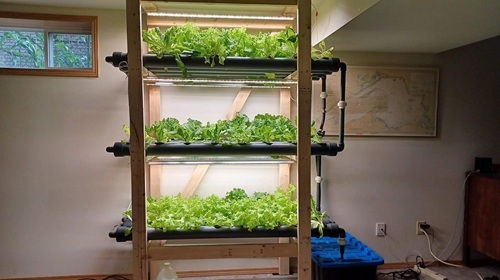
With indoor hydroponic gardens, healthy plants depend on proper water flow. Dry systems can result in withering plants and damaged pumps if water flow is not routinely checked and enough water is not added. Clogged water ways limit the flow of water and nutrients. Make it a habit to check, add water, and clean lines of water flow to avoid these problems. To keep your hydroponic plants flourishing, find and fix any clogs quickly.
Avoid Certain Plants When Growing Hydroponically
The simplest plants to cultivate in a hydroponic garden are leafy greens, herbs, tomatoes, and strawberries; these are excellent options for beginners. Stay away from root vegetables that often need soil to grow, such as potatoes, onions, and carrots. Some plants might be very difficult for beginners and require guidance and knowledge. For improved hydroponic gardening outcomes, those plants should also be avoided. It's important to match the type of hydroponic system you've put up with the plants you cultivate, as some plants require specific system features to thrive.
Avoid Overcrowding
When you purchase your first hydroponic system, you experience a particular thrill. You want to fill all those beautiful holes because you see how much potential there is for growth!
However, you must pause and consider what you wish to grow. You don’t want to fill the gaps carelessly. Certain plants are bushy, some grow tall, others remain low, and some are ready for harvest sooner than others. Before you start planting you should consider all of these factors and grow wisely.
Final Thoughts
In conclusion, proactive thinking and close attention to detail are necessary for effective indoor hydroponic growing. Keep in mind that every plant is different, thus the secret to a successful indoor hydroponic garden is knowing the particular needs of the crops you have selected. You can build a successful indoor hydroponic garden that produces plenty of fresh food by doing the right things and avoiding these typical blunders.