Apr 30th 2026
Growing Plants Without Soil: Everything You Need to Know
Contrary to popular belief, indoor plants can thrive without soil. They will flourish in soil-free pots as long as we provide them the nutrients they require. With hydroponic techniques, media like rockwool, perlite or clay balls are used in place of soil to give roots enough structure to cling to. Water that percolates through the soil-less substrate is then supplemented with nutrients.
Growing this method has several benefits, one of which is that it deters gnats! Additionally, there is no soil mess, which is advantageous if you have limited gardening area. By utilizing this technique, plants also use less water, and it's simple to keep an eye on moisture levels.
When you need a vacation, it even helps them take care of themselves!
Growing Plants Without Soil
When growing plants within structures or other controlled environments, most farms use water-based technologies rather than soil. Plant roots receive nutrients directly from these systems, promoting rapid and uniform growth. By using this technique, plants can develop more quickly, maintain their health, and yield food throughout the year.
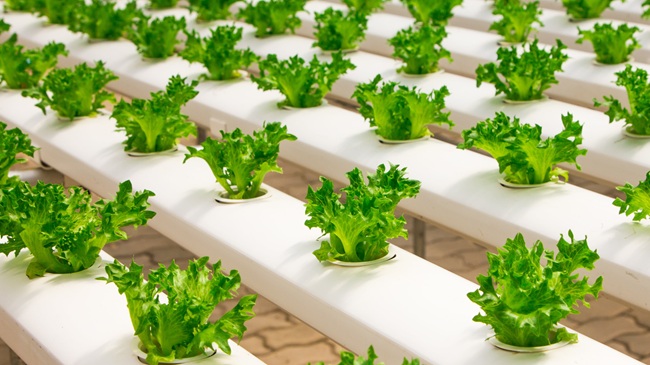
All sizes of operations, from tiny home setups to massive commercial growing facilities, can benefit from controlled environment agriculture (CEA). It works especially well in areas with poor soil, little outside space, or difficult weather. It becomes an effective, year-round cultivation technique that can be used almost anywhere with the correct equipment.
Ways to Grow Plants Without Soil
Hydroponics
The Greek words "hydro," which means water, and "ponos," which means labor, are the origins of hydroponics. Hydroponics, to put it another way, is horticulture without soil. Extreme temperatures, little natural precipitation, and a lack of fertile soil can make it challenging to grow food in a desert. Regardless of climate, soil availability, or available area, hydroponics can be a reliable way to grow fruits, vegetables, and herbs.
Aeroponics
The science of growing plants without the need of soil or a substrate culture is known as aeroponics. where a plant uses artificial support to grow in the air without the need for soil or substrate. In essence, it is an air water culture cultivation system in which the plant roots are suspended in a dark, sealed container and exposed to the open air to receive a circulating water supply that is rich in nutrients. The crown and upper part of the plant's leaves reach over the moist zone. The artificial framework keeps the plant's base and canopy apart.
Aquaponics
Aquaponics is a symbiotic ecosystem in which plants and fish coexist. Beneficial bacteria transform the nutrient-rich waste that fish create in the water into nutrients that plants can utilize. The plants then filter the water for the fish. It's an ideal cycle that replicates nature on a scale suitable for your lawn, kitchen, or balcony.
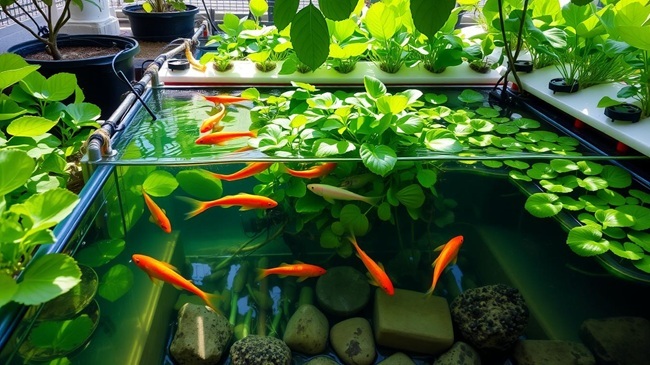
Consider it a living, breathing garden. A system that recycles water and minimizes waste provides fresh produce, herbs, or even fruit, as well as nutritious fish. Aquaponics is a great choice for environmentally conscious gardeners because it may save up to 95% of the water used in regular soil gardening and doesn't require chemical fertilizers.
Vertical Garden Towers
Plants are stacked on several layers in vertical farming. It can provide significant crop yields in a small footprint while optimizing vertical space efficiency. Leafy greens, herbs, and microgreens are grown in many indoor farms using hydroponic or aeroponic towers.
Water as the Primary Growing Medium
Water becomes the primary medium via which plants take nutrients in soil-less growing systems. A carefully balanced nutrient solution comprising vital minerals like nitrogen, phosphorous, potassium, calcium, magnesium, and trace elements is added to the water.
Plant roots do not have to exert as much effort to obtain nutrients because they are already dissolved in water. Compared to soil, where minerals must first be broken down before roots can absorb them, this increases the efficiency of nutrient uptake. The roots of hydroponic plants are either fully or partially submerged in water, providing continuous access to nutrients while preserving the right amount of oxygen.
Reasons to Ditch the Dirt
- You eliminate the uncertainty of "bad soil" by controlling the precise pH and nutrient levels.
- You don’t have to worry about weeding or controlling a lot of common insects that live in the soil.
- It is ideal for city environments since you can grow vertically. Because the water is recycled rather than draining into the ground, these systems can use up to 95% less water.
Which Plants Grow Well in Soil-less Gardening Systems?
Although nearly everything can be grown hydroponically, some plants are simpler to begin with:
- Leafy Greens: For soil-less systems, lettuce, spinach, and kale are the best options.
- Herbs: Cilantro, mint, and basil grow well and frequently yield more essential oils, which improve flavor.
- Strawberries: They thrive in vertical towers that keep the fruit off the ground and away from pests.
Key Success Factors
- Light: Most indoor systems need 12–16 hours of superior LED grow lights. Think about the full spectrum LED grow lights from ALTO Garden. For a wide range of plant and tower sizes, we provide a selection of grow lights.
- Nutrients: Standard garden fertilizer won't work; instead, use a water-soluble fertilizer made especially for hydroponics.
- Airflow: To assist plants, develop their stems and avoid mold, make sure there is adequate ventilation.
Growing plants without soil is a more regulated, productive, and environmentally responsible method to get fresh food into your house. It's not just a novelty. You may learn the fundamentals of plant nutrition and enjoy year-round harvests regardless of the weather. Learn more reading our Hydroponic Tower Garden guide.
Final Thoughts
By substituting water-based solutions that supply nutrients, oxygen, and support straight to the roots, hydroponic plants develop without the need for soil. This technique makes growing plants inside effective, hygienic, and aesthetically pleasing.
It is evident from comprehending the operation of hydroponic systems that soil is not necessary for plant existence. Hydroponics is a sensible and sustainable option for contemporary life as plants may flourish in a soil-free environment with the proper ratio of water, nutrients, light, and oxygen.