May 21st 2026
How to Grow Bok Choy with Hydroponics
Do you know what bok choy is? It's a tasty, nutritious, and flavorful Chinese vegetable. However, did you know that hydroponics and aeroponics make it simple to produce at home?
Chinese cabbage, or bok choy, is a common ingredient in many Asian dishes. It is an excellent provider of vitamins and minerals and a versatile vegetable that may be either raw or cooked. An enjoyable and simple method to eat this nutrient-dense vegetable all year round is to grow your own bok choy using hydroponics and aeroponics. We'll walk you through the process of cultivating bok choy both hydroponically and aeroponically in this post. Now let's begin!
How to Grow Bok Choy
Managing pests and transplanting are just two of the many steps involved in successfully cultivating bok choy in hydroponic systems. For this leafy green to develop healthily and yield large harvests, each stage needs particular care and attention.
Seed Starting
Bok choy seeds should be started indoors using soilless media such as rockwool cubes, keeping them damp but not soggy. To promote robust, healthy seedling development, provide a warm climate, preferably between 68°F and 78°F and gradually expose them to more light after sprouting, either from a grow lamp or a sunny windowsill.
Transplanting
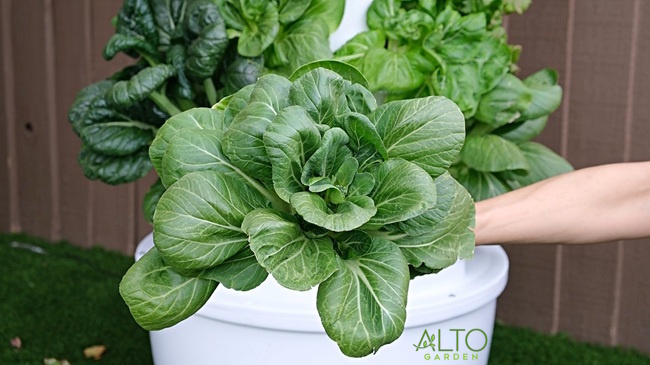
When bok choy seedlings have grown four leaves and roots are growing out the bottom of the rockwool cube, this is a clear indication that they are robust enough for the change. This is when the seedling should be transferred into your hydroponic gardening system. Place the seedling in the net pot and push the cube all the way down, so the bottom of the rockwool cube is touching the bottom of the net pot. Pushing them all the way down ensures the seedling will receive the nutrient rich water from your system. Handle them carefully to reduce stress. To facilitate the plants' seamless transition to their new surroundings, maintain constant light and temperature after transplantation.
Pruning
In hydroponics, bok choy usually doesn't need to be pruned, however removing any yellow or broken leaves might help keep the plant healthy. This aids in directing the plant's energy toward the development of robust leaves.
Disease Control
Because infections can spread fast from plants that come into contact with one another or from their common water supply, vigilant monitoring is crucial in hydroponic systems to prevent illnesses in bok choy. Maintain a clean system by routinely refilling water and cleaning equipment, and keep an eye out for symptoms of illness, such as stunted growth or discolored leaves.
Growing Conditions for Hydroponic Bok Choy
Creating the ideal growing conditions that meet the demands of bok choy is essential to its effective growth in a hydroponic system. Nurturing robust, bright bok choy plants requires an understanding of the optimal pH levels, spacing, germination needs, and other environmental conditions.
Nutrients, Ideal pH and Plant Spacing
Bok choy will flourish in an all-purpose hydroponic green growth solution since it is a leafy, fruitless plant. A & B hydroponic nutrients will be perfect since they mix well and feed leafy greens for rapid growth. Add the correct ratio of nutrients : water as specified on the nutrient label.
For plants to absorb nutrients and be healthy overall, proper pH levels must be maintained. A pH range of 5.5–6.5 is necessary for bok choy to effectively absorb vital nutrients. The right amount of nutrients and pH levels, will promote robust leaf growth and healthy root development.
Allow 6 to 12 inches between each plant when growing bok choy hydroponically. This spacing reduces the chance of illness and competition for nutrients and light by providing enough space for development and air circulation.
Light, Temperature and Humidity Requirements
For bok choy to thrive, it needs 10–12 hours of light every day. Grow lights can supply the required light intensity and duration in hydroponic systems, particularly in environments with little natural light.
Surrounding air temperature between 65°F and 78°F is ideal for best development. Furthermore, although though bok choy can withstand temperatures as low as 27°F and as high as 95°F, excessive temperatures might hinder development or result in bolting, or early blooming, so maintaining a constant temperature is essential.
Additionally, to avoid fungal infections and encourage healthy leaf development, humidity levels between 60 and 70% should be maintained. A healthy growth environment is maintained by adequate humidity regulation and air movement.
Time to Maturity
In a hydroponic system, bok choy typically takes 30 to 45 days to achieve maturity. It is a great option for gardeners seeking quick harvests because of its speedy turnaround.
Bok Choy Plant Width & Height
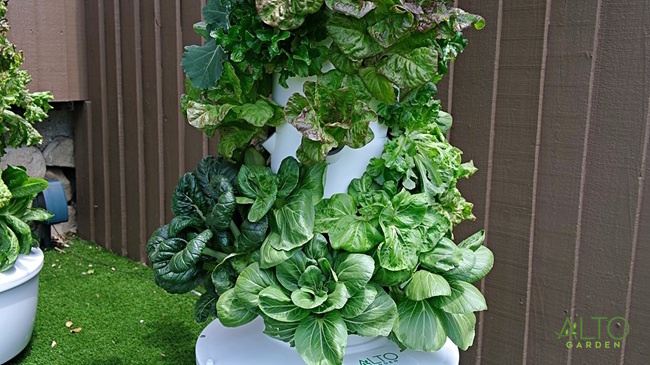
Hydroponically grown bok choy typically reaches a height of 12 to 18 inches and spreads about 8 to 14 inches (although spreading to 18 inches isn’t uncommon). It is appropriate for the majority of hydroponic systems, including those with restricted space, due to its smaller size.
When to Harvest Bok Choy
Like lettuce, bok choy may be used both as a baby product and as an adult. After transplantation, baby bok choy can be harvested in as little as 30 days. After around 45 days, fully formed heads will reach maturity.
When bok choy gets large enough to consume, it is preferable to cut it off at the root with a sharp knife. The plant has a broad, sturdy base, so avoid trying to twist or break it off. After cutting, remove the base and roots since nothing will grow back.
Final Thoughts
Bok choy grows quickly, and it will start to grow extremely vigorously around week three. Its adult outer leaves will soon be ready for harvesting, but the younger leaves will remain on the interior and develop rapidly. You may often harvest bok choy within a month of sowing your initial seeds because to its rapid growth. Savor your bok choy stir-fried, steamed, raw, or in tasty soups.