Mar 19th 2026
How to Grow Broccoli at Home Using a Hydroponic Tower Garden
Growing broccoli hydroponically is one of the most effective methods to incorporate a nutritious and tasty vegetable into your diet when soil is not accessible. Hydroponic crops require less room and grow faster than regular vegetables.
Broccoli is no exception to the hydroponics trend! Furthermore, you have a wide range of types to choose from. From conventional broccoli heads to Chinese broccoli, and sprouting broccoli, you may select the variety that interests you.
Hydroponic gardening is a simple and practical approach to maximize the use of your garden without requiring a lot of space or hard work.
Variety of Broccoli to Grow in a Hydroponic Tower Garden
Any kind of broccoli can thrive in a hydroponic tower garden, giving you plenty of choices when picking what to grow. Broccoli varieties differ in terms of days to harvest, temperature tolerance, and size. Calabrese is the most often produced kind of broccoli. There are more broccoli kinds that you may be unfamiliar with. Some types such as Romanesco, are purple, white, or even "decorative". Hydroponic broccoli is not the simplest plant to cultivate, but with little practice, it can do really well. Here is all you need to know to start cultivating hydroponic broccoli.
Propagation of Hydroponic Broccoli
Clones or seeds can be used to grow hydroponically grown broccoli. The crown or the area underneath the removed head can be used for cloning. Broccoli may be successfully grown hydroponically via vegetative propagation. All you have to do is make sure the right circumstances are there, such as plenty of sunlight, and water.
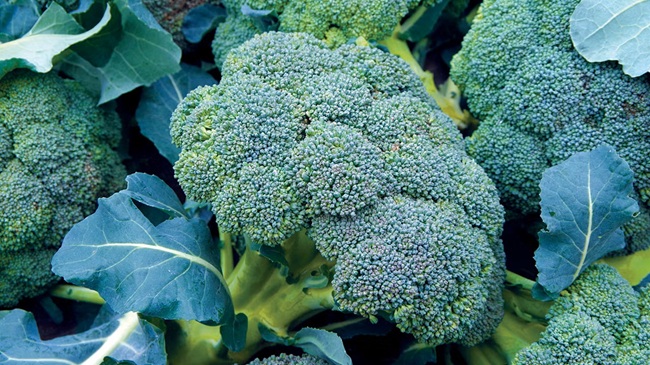
You can use starter plugs or a different growth media, such as rockwool, to help the seeds germinate and grow into strong seedlings. Interestingly, broccoli frequently sprouts on seedling heat mats in less than 36 hours. However, if seeds receive a more moderate temperature between 70 and 85°F, it usually takes up to 10 days for them to sprout.
Transplanting into a Tower Garden
You may move your broccoli seedlings into your preferred hydroponic growing system once they have germinated and grown a few inches tall with four leaves. Make sure seedlings have enough space to stretch out when you transfer them.
In general, there should be 8 to 12 inches between each plant. So whatever hydroponic tower you use, be sure each of the pots are spaced wide enough to accommodate. Widely spaced pots are one of the key design features of ALTO Garden hydroponic towers. For more transplanting tips, we have a section on our website on how to start your tower garden.
Requirements to Grow Broccoli Hydroponically
The ability to grow fruits and vegetables all year round without having to deal with harsh weather is one of the nicest things about utilizing a hydroponic setup for indoor crops. Since broccoli needs a lot of light and room to grow well in conventional soil beds, growing it indoors is particularly beneficial. When cultivated hydroponically, broccoli needs certain conditions to flourish.
A number of things, including pH levels, seed depth and spacing, germination time and ideal germination temperature, time to maturity, light requirements, and desired reservoir temperature, must be carefully managed for the best outcomes.
Recommended pH Level of Broccoli
A proper pH level is essential for hydroponically grown broccoli in order to optimize plant development and provide high-quality crops. For hydroponically grown broccoli, a pH of 5.5 to 6.5 is optimal. This pH range will provide the best possible absorption of a number of vital macronutrients required for healthy growth, including potassium and nitrogen. Hydroponically grown broccoli plants should provide adequate crop yields if they are properly monitored, the pH of the nutrient solution is regularly tested, and effective environmental control techniques are implemented.
Light Requirements for Broccoli
A vegetable that requires a moderate amount of light is broccoli. 6 to 8 hours in direct sunlight outside is sufficient. Use appropriate artificial lighting, though, if you intend to grow indoors without any natural light. Extreme light is not necessary for broccoli. LEDs or T5 fluorescent lights can be used. We recommend avoiding HID lights because they emit excessive amounts of heat. Broccoli plants can receive up to 14 to 16 hours of light each day when grown indoors, which often leads to faster harvest times vs growing outdoors.
Best Nutrients for Hydroponic Broccoli
As directed by the manufacturer, set up your hydroponic system. Add hydroponic nutrients of your choice. The vegetative development of these cabbages depends on nitrogen, which they adore. Additionally, nitrogen supports the growth of leaves and stems. It should be mentioned that in the early phases of growth, broccoli has a greater need for nitrogen. Make sure your hydroponics reservoir has all of these vital nutrients for producing broccoli.
Time to Maturity
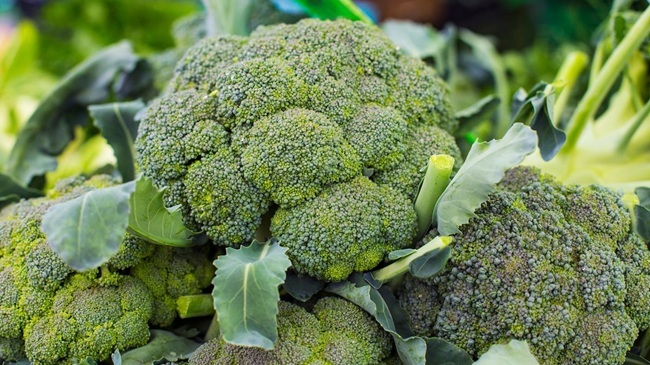
In outdoor settings, broccoli is usually ready for harvesting in 50–80 days. However, it may develop much faster in hydroponic systems under ideal circumstances (think indoors, ideal lighting, ideal reservoir temperature, enough nutrient levels, etc.). To savor the freshest, most delicious heads, pay close attention as harvest time draws near.
Pest Control for Broccoli in a Vertical Farm Using Hydroponic Towers
Cabbage worms and related pests can harm broccoli grown in hydroponic or aeroponic towers. Bacillus thuringiensis (Bt), a naturally occurring bacteria that attacks caterpillar larvae without endangering beneficial insects, pollinators, or people, is the most efficient organic control approach. Bt interferes with the larvae's digestive tract when consumed, causing them to cease eating within hours. Bt is still one of the most effective and ecologically responsible pest control methods for tower farms and is permitted for use in organic farming.
Time to Harvest Broccoli
Depending on the kind and growing environment, a fully grown broccoli plant can grow to a height of 1.5 to 2 feet and a width of 1 to 2 feet. When the head is tight and solid, usually before the buds begin to open, broccoli is ready to be harvested. For most types, this stage happens 50–80 days following planting; nevertheless, pay careful attention to the head's development to guarantee the ideal harvest timing. Cut the broccoli stem at a slant with a sharp knife, approximately 5 to 6 inches below the head. Make sure to leave some leaves to safeguard the side shoots, which might yield more harvests.