Sep 5th 2026
How To Grow Herbs Indoors Using a Grow Tower
Compared to growing in soil, most herbs cultivated hydroponically in a grow tower result in faster-growing crops with better nutritional value. Knowing which crops thrive in a hydroponic tower can help you make the most of your system, regardless of your level of experience. With proper care — consistent pH and controlled water levels — you can enjoy fresh herbs, vegetables, and even flowers year-round.
Indoor Herb Garden
Maintaining a hydroponic herb garden is a great way to have fresh herbs in your kitchen. Along with many other savory and sweet herbs, you can grow basil, parsley, sage, and thyme. Also, you don't have to limit your hydroponic herb garden to culinary herbs; hydroponic systems can also be used to cultivate flowers like calendula.
Indoor herb gardens are so simple to maintain; needing you only to monitor pH and add extra water or fertilizers as needed. The grow lights turn on and off automatically, requiring minimum manual adjustment. Occasionally, you have to clean the tank to eliminate algae and other debris, as well as cut the plants and remove excessive roots. However, the amount of effort required is low, since lighting and watering schedules can be automated.
Here's how you can grow herbs indoors using a grow tower:
Start Seeds First
Before planting, soak your rockwool cubes in fresh water or a very diluted nutrition mixture for 10 minutes. This guarantees that the cubes take in appropriate moisture. Put two or more seeds into the rockwool cube's planting hole, mist them with your spray bottle, and cover them lightly with some vermiculite. Place the rockwool cubes inside the germination tray after adding 1/4 to 1/2 inch of water to the bottom. Covering the tray with a humidity dome will provide the best results. Until they sprout, keep the tray in a warm, dark, or partially shaded area with temperatures between 65 and 80°F.
To keep the plants from growing long and spindly (i.e. leggy), move the tray into direct sunlight as soon as the seedlings sprout or place it under grow lights for 14–16 hours a day. When the seedlings are 2–3 inches tall and their roots begin to emerge from the bottom of the rockwool, they are ready. Put each cube straight into your tower garden by putting it into a net pot.
Best Herbs to Grow in a Grow Tower
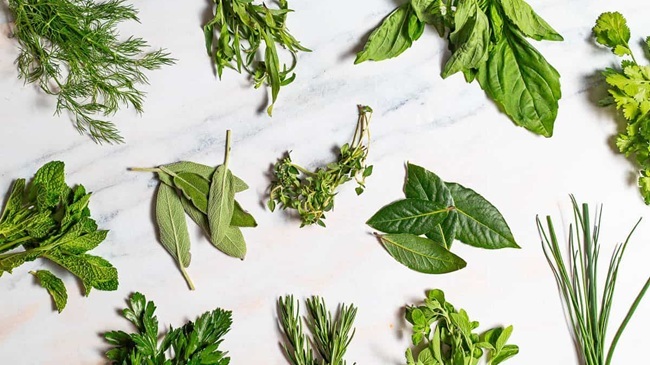
Herbs thrive in tower gardens, producing vibrant taste with little effort. They are an excellent choice for anyone who likes cooking and needs easy access to high-quality herbs.
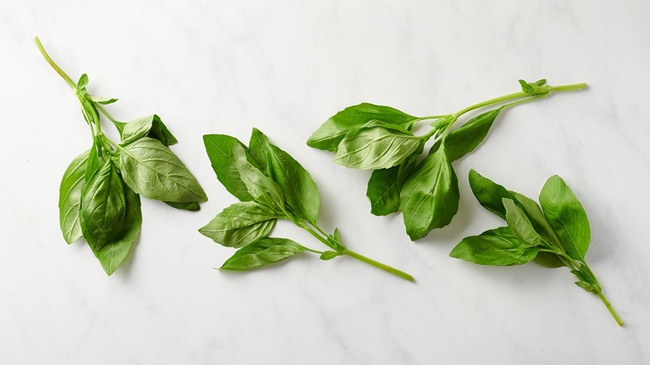
- Basil: Basil is a rapidly growing herb that thrives in nutrient-rich water. Sweet Genovese basil is the preferred option for pesto and daily cuisine, purple basil provides color, and Thai basil thrives in warmer climates. Basil can provide baby harvests around the 3-week mark when the plants are robust, with greater harvests usually following as the plant grows more leaf sets.
- Mint: Mint spreads widely and grows quickly, making it an ideal tower crop. Many farmers replace old mint plants before they clog the tower. Clip roots frequently, and avoid growing mint where it can overpower neighboring plants since dense mint roots can block water flow.
- Cilantro: Cilantro is known for its unique flavor and fast growth. It can bolt rapidly if the tower is overheated or under stress, and it likes cooler weather. Although parsley grows more slowly than cilantro, it is reliable, fruitful, and helpful for consistent fresh harvests indoors.
- Parsley: Parsley is a multi-purpose herb that can grow both inside and outdoors. To begin, plant 6 to 8 seeds each cube. Once they’ve sprouted, place under grow lights for 14-16 hours every day, then transplant to the tower once the seedlings reach 2-3 inches tall.
- Woody Herbs (Sage, Thyme, and Oregano): Woody herbs like sage, thyme, and oregano thrive in indoor containers because they can survive a variety of lighting situations. Tower systems require careful pruning, and attention to root growth so that woody stems do not dominate other nearby plants.
Monitor Water and Nutrient Requirements
The ALTO Garden tower's design help plant roots retain moisture, although you may need to run the intermittent watering more regularly on hot summer days. You can adjust the watering timer for more frequent watering making maintenance easier. Stable water levels are required for healthy roots. Fill the reservoir as needed to ensure steady water flow.
The nutrients dissolve in the water reservoir and go through the tower, providing minerals directly to plant roots. Because nutrients are given directly to the roots, keeping the proper balance is critical. Too little can slow growth. Too much can stress plants and induce nutrient lock. Large fruit-producing crops such as tomatoes, cucumbers, peppers, and melons use more water than leafy greens and herbs, so you'll need to check and replenish the reservoir more frequently when growing these crops, especially during the warmer months.
Light and Temperature Adjustments
If you grow indoors, make sure your plants get enough light by utilizing LED grow lights. Position the lights evenly to cover the entire tower, promoting uniform development. Keeping the pH in the proper range promotes optimum hydroponic nutrient intake. Use a pH meter to obtain precise readings, and adjust as needed with pH up and pH down solutions. Most crops thrive best in a pH range of 5.5 to 6.5. Place your tower in a location with consistent room temperatures (about 60-70°F/15-21°C).
Harvesting
Regularly prune your herbs to promote bushy growth and keep them from flowering too soon. Harvesting frequently will ensure a continual supply of fresh herbs.