Sep 17th 2026
Hydroponic Systems: Pros, Cons & Everything You Need to Know
Hydroponics is a method of growing plants indoors with nutrient-rich water without the need for soil. This system has gained popularity due to its various advantages, which include lowering fertilizer and water consumption. Hydroponic plants also grow larger and more quickly than their soil-grown counterparts. We'll talk about the advantages and disadvantages of hydroponics and whether it's the best option for your gardening requirements.
What is a Hydroponic System?
Hydroponic systems grow plants with a nutrient-rich water solution without the need for soil. Globally, it is becoming more and more popular, especially in cities and areas with harsh weather. Current problems with food insecurity and the production, distribution, and transportation of fresh food both domestically and internationally can be solved by hydroponic farming.
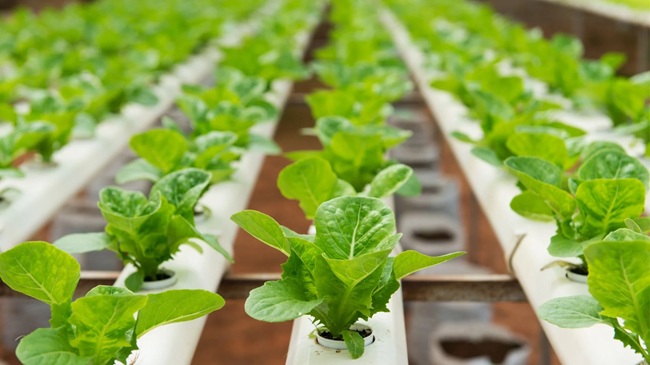
Indoor systems, like our The ALTO Garden hydroponic tower offer a convenient, economical, and year-round method of producing large amounts of fresh lettuce, greens, herbs, and a variety of other foods. Compared to tradition farming, indoor hydroponics uses very little water and is highly automated.
The Importance of Water and Air in a Hydroponic System
Three elements are absorbed by plant roots: air (oxygen), water, and nutrients. Air is just as vital as water and nutrients, but roots can struggle to receive adequate oxygen when buried underground. One of the advantages of hydroponic towers is they suspend roots in the air, utilizing a technique called aeroponics. In other systems, roots are typically submerged in water with a nearby air stone to oxygenate the water.
Let’s break down the pros and cons of hydroponic farming.
Advantages of Hydroponic Farming
Efficient Utilization of Space
Compared to conventional farming, hydroponically grown food takes up a relatively small area. For instance, a simple hydroponic system can produce 100 or more heads of lettuce every 28 days in just nine square feet. Plants in traditional farming are dispersed and must look for nutrients in the soil. Hydroponics eliminates the need for plants to hunt for or develop deep roots because nutrients are delivered directly to the roots. Therefore, nutrient-dense food can be supplied hydroponically without requiring a lot of space.
Less Chemical Usage
The capacity of hydroponic systems to lessen the need for synthetic chemicals is emphasized as a key benefit. The usage of insecticides is almost nonexistent because hydroponically produced plants are usually grown in controlled indoor environments. This lower chemical consumption is a major benefit of hydroponics over traditional growth techniques, given the harmful effects these chemicals can have on people and the environment.
However, the categorization of hydroponic vegetables and their suitability for organic certification is a topic of discussion. According to the USDA, organic certification typically entails chemical-free soil upkeep and care. Traditional organic farmers frequently contest hydroponics' eligibility because they don't use soil. But the fact that hydroponics uses fewer chemicals than conventional agriculture is unquestionably advantageous, regardless of the labeling.
Water Consumption
Compared to conventional soil-based farming, hydroponics uses up to 95% less water. Plant production often demands a significant water supply, and traditional agricultural methods have a history of being ineffective in this area. Over 70% of freshwater on Earth is used for agricultural purposes. An orange uses about 14 gallons of water, and a single walnut requires about 5 gallons. Hydroponic systems on the other hand, use a lot less water. Growers can apply precise amounts of water necessary for plant health when cultivating in controlled surroundings, which eliminates water waste.
Fewer Pests, Fungi and Weeds
Hydroponic systems have fewer pests because they are indoors and easier to maintain. It is more difficult for insects to enter these systems and harm plants. Furthermore, the reduced bug problems result in little to no need for pesticides. Hydroponic systems are unfriendly to weeds because of the lack of soil, regulated conditions, and proactive maintenance. This minimizes competition for resources and eliminates the need for time-consuming weeding which can eventually lead to healthier, higher-yielding crops.
Disadvantages of Hydroponic Farming
Cost
Considering the cost of setting up the system, establishing watering pathways, and lighting, hydroponics setups can have a high initial expenditure. Given the delicate balance involved in this growing method, the upfront costs can be a concern. The cost of nutrient solutions and the energy needed to maintain the garden will also rise proportionately with the number of systems, so keep that in mind.
Crop Selection
Although hydroponics has been shown to be an effective growth technique, not all crops are amenable to growing without soil. Crops with relatively shallow root systems and basic fertilizer requirements are usually the ones that thrive in hydroponic systems. Because of this, leafy greens like lettuce and herbs like basil are strong candidates. These types of plants are the main focus of commercial hydroponic farms.
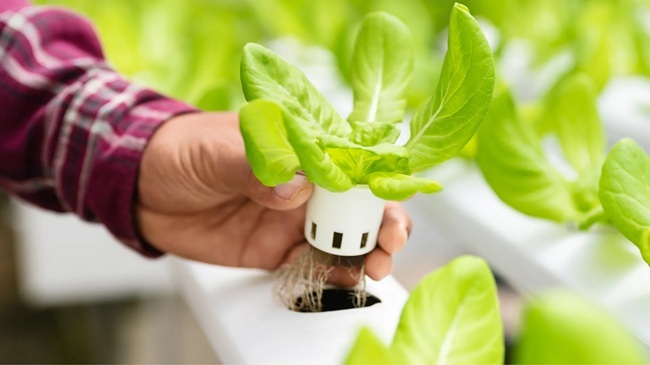
The crops that should be avoided with hydroponic systems are root vegetables. Carrots, radishes, and potatoes all thrive in soil. However, if the system architecture allows for sufficient root area, they are feasible to grow. Large-space crops like corn and watermelon are just not financially feasible in a hydroponic greenhouse. After all, the most crucial element of a successful grow is matching each crop to the best growing method.
Energy Consumption
Every element of your garden, including watering and lighting, must be controlled when using hydroponics. Plant development and health may be directly impacted by the type, amount, and duration of light exposure. When you take into account the quantity of lights and air systems needed to create optimal indoor growth conditions, the energy needed to run a hydroponic system can add up over time.
Potential Equipment Failure
It's possible for your hydroponic farm to function flawlessly one second and then suddenly malfunction, causing damage or plant loss. A nutrient imbalance or irrigation error may result in plant death. The plants might be significantly impacted by anything from equipment failure to an unexpected power outage. The safety net that soil gardening offers — a little buffer between delicate plants and environmental influences — is not available to hydroponic gardeners.
Final Thoughts
With obvious benefits like faster growth, water efficiency, and space savings, hydroponics offers a potent soilless growing technique that is counterbalanced by drawbacks like startup expenses and technical requirements. The grower's capacity to make upfront investments and reduce hazards like power outages are critical to success. The benefits frequently outweigh the drawbacks for urban farmers or those who value yield in smaller spaces. The pros and cons of hydroponic systems should be evaluated as a whole, to make the best long-term decision for your growing needs.