Nov 22nd 2024
Reasons Why You Should Garden Vertically
You've probably heard the craze for vertical greenhouses and hydroponic gardening if you've been in the agricultural or ag-tech industries lately. However, why are these expanding strategies such hot topics? What are the advantages and benefits of growing vertically?
We're here to help if you're still thinking, "Why a vertical garden?" Here are our top reasons why you should start planting upwards!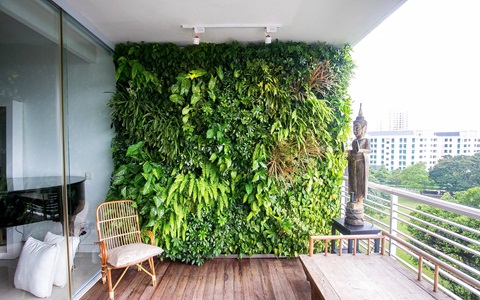
What is Vertical Gardening?
For a wide range of plants in both big or small gardens, plants are grown vertically and upward to make the best use of the available area. A vertical garden can be affixed to a building's exterior or interior as well. The plants take root in a structural framework that is attached to the wall itself. Rather than coming from the ground, they get their water and nutrients from inside the vertical support.
Plants stacked on top of one another is referred to as vertical gardening. From a hydroponic perspective, hydroponic tower gardens present another form.
Benefits of Growing Vertically with Hydroponics
You might be wondering why the growing process is so popular now that you know the terminology. Why is this growth technique so fascinating, and what are the benefits of introducing hydroponics to the fold?
Hydroponics is a popular farming technique in the current world because of its many advantages. These technologies provide solutions to feed the world's expanding population, preserve the food supply from climate change, and benefit the earth. Some of the most notable advantages of hydroponic vertical gardening will be discussed below.
Higher Yields
Making the most of your available space allows you to grow more plants and increase your yield per square foot. Comparing to growing plants horizontally which could lead to competition and a lower yield, this is far preferable.
Healthier Plants
Using vertical gardening techniques might improve the health of your plants compared to just planting them in the ground. Higher exposure allows plants to receive more direct sunlight and air circulation, which promotes healthier development and reduces the likelihood of fungus or disease spreading. Also, vertical gardening keeps your plants higher off the ground and away from those pesky pests.
Saves Water
In the modern world, conserving water is a top priority. For hydroponic growers, using water to irrigate soil can seem wasteful. Since water in a hydroponic system can be recycled repeatedly, it really consumes a lot less water than conventional, soil-based growth techniques.
Water loss from evaporation and runoff is significant on outdoor farms. Their water may potentially be contaminated by chemical fertilizers and pesticides as well. But with hydroponics for example - water can be recycled in a closed-loop system so the water is used again and again. The water can stay pure with the right filtration and treatment.
Less Disease
Because your fruits and veggies are above ground, you'll not only have a lower chance of getting illness (and pests!) altogether, but any unhealthy plants will also be less likely to contaminate the ground.
Noise Reduction
Noise pollution is among the most often disregarded forms of pollution. It can disrupt those who live in locations with high levels of noise pollution and be harmful to our health. Cities with heavy traffic, smaller neighborhoods close to highways, any location near an airport, etc., are all affected by this issue.
However, vertical gardens can serve as sound barriers for people who already live in noisy areas. You may live a more tranquil life in your house by using vertical gardens to absorb sound.
Maximizes Space
Growing crops in an urban or suburban setting requires making the most of the available space in order to be profitable. Hydroponic vertical farming is a great option for urban gardeners. You can grow multiple plants at once in the same amount of area by stacking them vertically. Considering that hydroponic plants grow more quickly, this is a great approach to make the most of your available area.
Improves Air Quality
Air quality improves as the number of trees and plants increases. So a great way to combat air pollution is to grow more plants and trees! Maintaining a lovely vertical garden improves the quality of the air. Any location, whether it’s your home or office, can benefit by having plants help filter out contaminated air. In addition to making life in a polluted environment simpler and healthier, they help convert carbon dioxide into oxygen.
Grow More in Less Space with Hydroponic Towers
Start growing fresh food at home with our hydroponic towers. Save space, use less water, and enjoy healthier plants with an easy-to-use vertical growing system.
Buy NowFinal Thoughts
As we can see, vertical gardens have many advantages and may significantly contribute to maintaining a clean and healthy atmosphere. By growing upwards, they require a fraction of the space of growing horizontally, increase yield per square foot. In addition, they enhance the appearance of any area to which they are added. If we were successful in persuading you to have your own hydroponic vertical garden – see our blog post on How to Grow Hydroponic Herbs to learn how to get the most out of your garden, and browse our inventive vertical gardening ideas for further inspiration.
FAQs
- What is the purpose of vertical gardens?
Vertical gardens let you grow more plants when you don't have much floor space. Instead of spreading out, you go up - walls, trellises, stacked planters. They work well on balconies, small patios, or even indoors. As a bonus, plants filter air and dampen noise, so a dense vertical setup does more than just look good. - How much time and effort does a vertical garden actually require each week?
Less than you'd expect, especially with a hydroponic setup. The system recycles water, so you're not hand-watering every day. Weeds are basically a non-issue. Most people spend a couple of hours a week checking nutrient levels, trimming, and making sure nothing's clogged. It's more about consistent attention than heavy effort. - Do I need to place my vertical garden right in front of a sunny window?
Not necessarily. Natural light near a window or balcony is great if you have it, but grow lights are a real option, not a compromise. Many indoor setups run entirely on artificial LED lighting year-round without any problems. It depends on what you're growing, but you're not stuck if your apartment faces the wrong direction. - Is it true that vertical systems use much less water than a normal garden?
Yes, vertical hydroponic gardens use much less water than normal gardening. The water is reused again and again inside the system, so very little water gets wasted. This helps save water and makes hydroponic gardening a smart and eco-friendly choice. - Is the food grown in a vertical hydroponic garden as healthy as store-bought produce?
Generally yes, and often fresher. You control the nutrients, water quality and growing conditions, so you know exactly what went into the plant. Most people growing at home use far fewer pesticides than commercial farms. The real advantage isn't just nutrition, it's that you can pick it the same day you eat it, which store-bought produce almost never is.