May 12th 2026
Top 10 Vegetables & Herbs to Grow in a Tower Garden
For gardeners, especially those who enjoy growing their own herbs, summer is a great season. The long, bright days are ideal for growing a wide range of tasty herbs and veggies at home. Even if you don't have much room, you can cultivate a lot of herbs with a tower garden. Herbs like basil, mint, oregano, thyme, and parsley thrive in this vertical planting technique because it maximizes plant development. In this article, we'll discuss the basics and advantages of cultivating herbs and veggies in a tower garden, give helpful advice for caring for these plants, and discuss how to preserve your herb crop.
Lettuce
Although lettuce isn't the most exciting produce, it has great ease and adaptability. Lettuce grows best with consistent light, nutrient-rich hydration, full sun (6–8 hours, or 4 hours in intense heat), and temperatures between 45 and 80 degrees Fahrenheit. They mature quickly—often in 4 weeks—and their seedlings are ready for transplantation in 2 weeks. For best growth, put plants 6–18 inches apart and choose heat-tolerant varieties throughout the summer.
Tomatoes
In order to flourish and frequently produce 50% more than soil-grown plants, tomatoes in a garden tower need at least 8–10 hours of full light, regular, nutrient-rich watering, and strong support. A pH of 5.5–6.5, temperatures between 70°F and 80°F, and frequent pruning to control vine density are all necessary for optimal development. Tomato plants do not thrive in cool temperatures. It usually takes 10 to 14 days for seeds to germinate, and it takes 5 to 6 weeks for seedlings to be ready for planting. Pollination assistance is advised if you want to utilize your tower garden indoors. Even though tomatoes need full sun exposure, temperatures over 90°F can alter the tomatoes' overall taste.
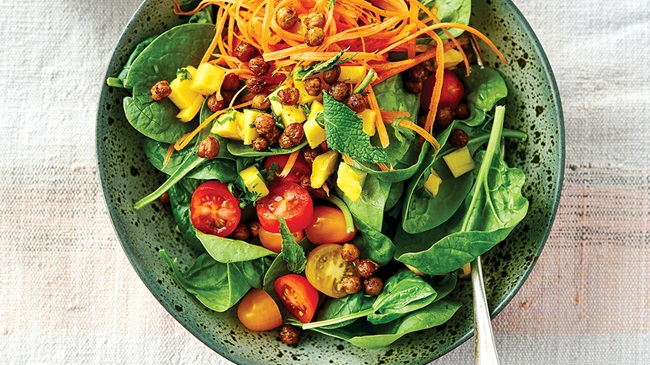
Bell Pepper
Peppers of all types flourish when grown in tower gardens, whether they are spicy or sweet bell peppers. The seeds take around 14 days to sprout, and it takes a further 2 to 3 weeks before they are ready to be moved into the tower. Temperatures below 21°C (70°F) should not be applied to peppers. Growing peppers has the benefit of requiring very little upkeep, other than cutting off extra leaves to let the fruits get ample sunlight. For optimal results, peppers require full sun exposure.
Cucumber
When given full light, steady hydration, and a strong vertical trellis for support—which enhances air circulation and guards against disease—cucumbers flourish in garden towers. A balanced hydroponic nutrient solution provides ideal settings. Use vining twine and plant one per port, excluding the bottom level, for optimal results. Prune lower leaves to encourage ventilation.
Swiss Chard
Chard seeds develop rapidly, and within seven to ten days, seedlings are often ready to be planted in the tower. Chard may be partially harvested by chopping leaves at the base, or it can be entirely harvested by removing the plant from the tower. Once more, the growth period and seedling process are brief, making it simple to guarantee a harvest rotation. In addition to providing earthy qualities, chard is best harvested as a young plant for culinary purposes, whether it is juiced fresh or stir-fried in a wok.
Mint
Another wonderful plant to cultivate in an indoor vertical herb garden is mint. It grows quickly and has many wonderful applications. Peppermint is a fantastic addition to salads and fruit dishes. You could even create your own handmade mint pesto with it.
Also, there are a variety of mint varieties that may be cultivated and added to teas for a cool beverage at any time of day. Growing apple mint at home is quite enjoyable. Mint grows quickly, so you could plant modest quantities of different varieties to get the best of both worlds. The roots are invasive, so if you put them in the same planter as another herb, they will probably take over! For optimal results, put mint in its own planter.
Basil
Because it prefers warmth, bright light, and steady hydration, basil grows well in tower gardens (both hydroponic/aeroponic and soil-based vertical planters). Temperatures between 60 and 80 degrees Fahrenheit, 6 to 8 hours of full daylight (or 14 to 16 hours of LED), and frequent trimming to promote bushy growth and avoid flowering are essential conditions. For best flavor, harvest within six weeks.
Parsley
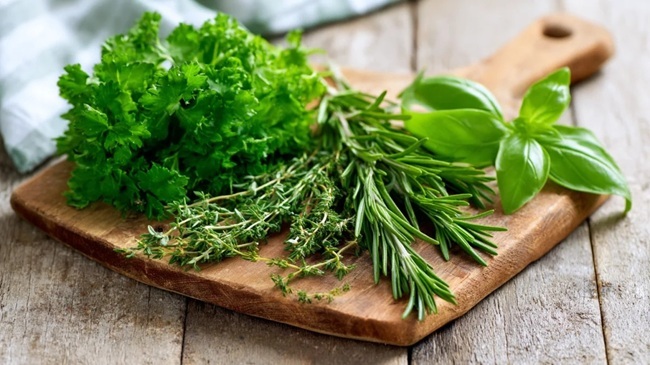
Parsley is a terrific all-arounder in the kitchen because of its clean, peppery flavor with a hint of earthiness. Its distinct flavor comes from the natural fragrant oil that runs through every leaf. The ideal temperature range for parsley growth is 72–86°F (22–30°C). Place your tower in an area that receives some shade when planting outside, especially during the hottest parts of the summer. Because parsley bolts at temperatures above 80°F (25°C), make sure the water in the nutrient reservoir doesn't get above this point. We do advise utilizing each plant for many harvests to provide a more abundant crop rotation and availability because it takes around six weeks for a parsley seed to develop into a seedling ready to be planted.
Thyme
You can plant thyme anywhere on the tower. Thyme is a herb that thrives in warm, sunny conditions and is resistant to drought. It works well as a flavoring for roasted meats, stews, and soups. Thyme loses its flavor and smell after it blossoms, so harvest it when it's still young. When grown in aeroponic towers, thyme takes a long time to sprout and flourish, but the effort is well worth it! It produces colorful, very tasty plants that can be partially or completely chopped for subsequent harvests.
Cilantro
You should absolutely include cilantro in your crop choices because it grows quite well in a tower garden. Cilantro prefers cool temperatures, full sun to moderate shade, and steady hydration. It grows best in vertical towers, particularly aeroponic systems. For germination, use rockwool and plant five to eight seeds per cube. Harvest in four to six weeks by removing the outer leaves, letting the plant regrow, and making sure it remains in cool, nutrient-rich conditions to avoid premature bolting.