Apr 3rd 2026
Top 5 Mistakes to Avoid When Using Hydroponic Nutrients
It's thrilling to begin your hydroponic adventure, but like any new endeavor, there will be a learning curve. Many beginners make basic blunders that lead to lower production and slow down plant development. The good news is with a little planning and understanding, such mistakes are very easily avoidable.
Ignoring pH Levels and Infrequent pH Testing
In hydroponic farming, maintaining the proper pH level of the nutrient solution is essential. Certain pH ranges are preferred by plants, and changes from these ranges may result in nutritional deficits. Make sure your plants can efficiently absorb vital nutrients by testing and adjusting the pH of your nutrition solution on a regular basis.
For optimal root nutrient uptake, hydroponic plants need a slightly acidic pH of 5.5 – 6.5. Most leafy greens require a pH between 5.5 and 7.5, with a goal of 6. It's crucial to adjust the pH of fertilizer solutions since an excessively basic or alkaline pH might harm plants by causing nutrient burn or stunted development. Measuring pH levels on a regular basis with pH meters helps gardeners to see the impact of pH modifiers. Once you are comfortable with their crops and hydroponic system, you don’t have to do the test so frequently.
It is impossible to measure the pH of your hydroponic plants with the naked eye.
Here are three methods for determining pH levels:
- Simple and reasonably priced litmus strips
- A pH test pen
- A liquid pH test kit
Although they are sometimes more costly than litmus strips and pH pens, liquid kits are typically the most accurate. Because test pens offer a numerical pH reading rather than interpreting color, many hydroponic growers like them. However, you’ll need to calibrate your pH pen with the included buffer packets before using. It’s like tuning your guitar before playing. You should also recalibrate every six months or so. Long-term use of a test pen without recalibrating may lead to erroneous pH readings that are detrimental to plants.
Improper Concentration (Overfeeding/Underfeeding)
It takes balance to provide the right concentration of nutrients. Too little causes vitamin shortages; too much causes toxicity.
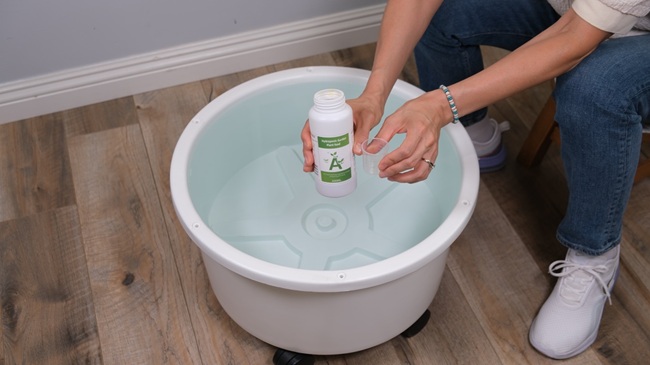
First - always use a measuring cup. Overfeeding causes an overabundance of dissolved salts to enter the system, which causes osmotic stress and affects the plant's capacity to absorb water, hence drying the roots. Underfeeding weakens the plant and produces subpar harvests since it deprives it of vital nutrients needed for optimal growth. Leaf burn, wilting, or salt buildup on plant roots are signs of overfeeding. Reduced yields, stunted growth, or yellowing leaves are signs of underfeeding.
To find out how much salt is in your solution overall, you can use an EC meter. To guarantee that all nutrients are available for absorption (preventing nutrient lockout), maintain an ideal pH range, which is normally 5.5 to 6.5 for the majority of hydroponic crops. To avoid the accumulation of salts, algae, and pathogens, regularly inspect your system and carry out planned cleanings.
Mature plants require more vigorous nutrient mixtures, whilst seedlings require lower quantities. To improve your strategy for your next season of crops, keep records.
Using Soil Fertilizer
Because normal soil fertilizers frequently contain insoluble components, lack key micronutrients, and rely on soil microorganisms for nutrient release – you should avoid using them in hydroponics. They may also contain inappropriate nitrogen forms (such as urea or ammonium) that create toxicity or pH problems in water systems. To avoid these issues and nutritional imbalances, utilize hydroponic-specific fertilizers that are completely water-soluble, balanced with all macro and micronutrients, and designed for direct plant absorption in soilless systems.
Poor Water Quality
Hydroponics depends on water, and plant health is directly impacted by the quality of that water. Contaminants including chlorine and excessive minerals can damage your plants and are frequently found in tap water. To remove chlorine, let tap water sit in a bucket for 24 to 48 hours to let the chlorine evaporate. Regularly check the pH, alkalinity, and hardness of the water. Although tap water can be used in most cases, you can use reverse osmosis (RO) or filtered water to guarantee purity.
Learning the small details of hydroponic systems sometimes requires questioning about lighting, water quality, and maintenance schedules. For example, many gardeners are unsure about how often they refill fertilizer solutions or whether tap water is appropriate for hydroponics.
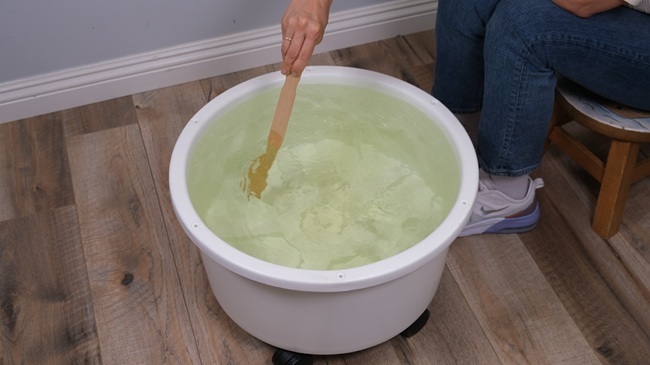
The amount of dissolved minerals and chlorine in tap water determines its acceptability, however it can be utilized in most typical situations. Possible risks can be mitigated by filtering or dechlorinating the water. Check your reservoir water regularly to avoid imbalances and guarantee the best possible nourishment for plants.
Insufficient Root Oxygen
Indoor settings can prevent adequate circulation around plants, particularly in compact spaces. If this is the case, we advise utilizing oscillating fans to keep your indoor hydroponic garden's airflow steady. In addition to improving the plants' ability to breathe and absorb nutrients, this also fortifies the stems of the plants, resulting in stronger and healthier plants.
Plants cannot undertake root respiration in the absence of sufficient oxygen in the root zone, which results in slow development and leaves them susceptible to infections and root rot. Because plants require so much oxygen in their roots, the availability of oxygen to root cells is one of the growth-limiting elements in hydroponics, second only to light.
Compared to smaller plants like lettuce or herbs, plants with bigger or denser root systems, like tomatoes or cucumbers, often need more oxygen. When choosing your hydroponic system, consider an aeroponic tower in order to ensure uniform oxygen distribution through the root zone.
Making mistakes is a necessary part of learning, but being aware of what to look out for may save money, time, and confusion. As you build confidence and proficiency in this cutting-edge growth technique, start small, maintain consistency, and watch your plants flourish.