Feb 24th 2026
Why Grow Vegetables with Your Vertical Tower Garden?
Growing vegetables with a vertical tower garden can make you feel nervous and overwhelmed, specifically if you are trying it for the first time. You’re in for a treat if you’re one of them, and if you question whether a vertical hydroponic tower is good for growing vegetables. In this article we will talk about the reasons why you should try a tower garden for growing your veggies and why hydroponic vegetable gardening is so enjoyable.
We are aware that garden beds, pots, and tables take up a lot of room, and they only let you grow a small number of plants. Traditional gardens can be time-consuming and space-consuming, but there is a better approach. You can grow more kinds of crops quickly and easily using hydroponic systems, which also maximize your available area and save on maintenance time. If you want to cultivate veggies inside without the hassle, these vertical gardens are a fantastic choice. They may even be put indoors, saving you from having to go outside in the chilly winter months to collect your tasty veggies.
Reasons Why You Should Grow Veggies with a Tower Garden
Harvest Nutrient Dense Vegetables
What could be better than making a freshly chopped salad for your family using veggies you've harvested at home? Do vegetables cultivated hydroponically have the same nutritional value as those grown in soil? In general, a vegetable's nutritional value increases with its freshness. Due to their extreme sensitivity to light, temperature, air, and humidity, vitamins C, A, and D quickly lose their value if not maintained properly.
Hydroponics uses fertilizer dissolved in water to produce plants rather than fertilizer made from soil. Weekly water monitoring will help you satisfy the crop's requirements and circumstances so it may reach its maximum genetic and nutritional potential. The most nutrient-dense approach to feed your family is to consume veggies that have been cultivated hydroponically.
A Sustainable Option
Hydroponics presents itself as a progressive and eco-friendly method that is perfect for people who want to lessen their environmental impact. The considerable decrease in pesticide use is one of this method's primary benefits. In contrast to conventional farming, a hydroponic-controlled environment can minimize the use of chemicals, lowering the danger of pests and illnesses. In addition to producing healthier food, this has a less repercussions on the environment.
This technique ensures the integrity and purity of your crops by allowing you to develop your own sprouted seeds and early shoots without the use of chemicals or pesticides. For instance, sprouted seeds are a great complement to a balanced diet because of their high vitamin, mineral, and enzyme content. In addition to reaping the immediate nutritional advantages of sprouts, growing your own helps you lessen your environmental impact by eliminating the transportation and packing that store-bought items need.
Hydroponic is Greek for Easy Growing
With this sophisticated technology, which has existed for nearly as long as dirt, it doesn't take much to get started and succeed. The Greek words hydro, which means water, and ponos, which means work, are where the name originates.
With hydroponic tower gardens, you can maximize every square inch of space by growing vertically. When compared to conventional farming, this growing method has the significant benefit of being especially water-friendly. Hydroponics drastically lowers water usage by recycling water in a closed loop, which is both cost-effective and environmentally friendly.
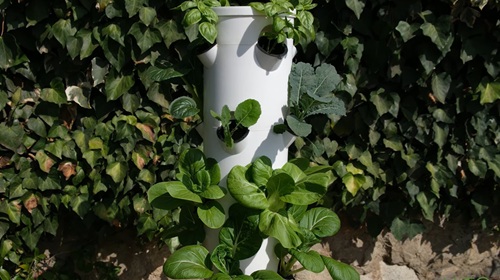
The main benefit is that water and nutrients are physically pumped to the plant in the most effective manner possible rather than relying on soil as a source. Another important advantage is the ability to produce year round. Unlike traditional farming, which is reliant on the whims of the seasons, hydroponic tower gardens allow you to reap continuous harvests and acquire significant independence from external climatic swings.
No Herbicides and Fewer Pests
With hydroponics, there is no need for soil, which eliminates weeds and eliminates the need for toxic chemicals that might harm your plants. Because of the regulated atmosphere, hydroponic plants are often healthier and more resistant to pests.
When there are fewer pests, less pesticide is required, and like herbicides, pesticides can harm your plants. Although it’s possible that pests can still affect hydroponic plants, producers can more readily manage them without using dangerous chemicals.
Tips for Getting Started with Vertical Hydroponic Gardening
Although establishing a garden in soil has its own set of difficulties, the hydroponic arrangement is somewhat more involved and costly. Hydroponics requires a power source for the water pump, a water supply that needs to be maintained, and consists of components that comprise the system. This means you have problems of a different sort instead of those related to roots, soil composition, soil nutrient content, etc. However, once the system is set up, it can be utilized with many types of plants for many years after it is installed.
In order to ensure the plants are being fed appropriately, you must also monitor the nutrient mix in your reservoir as the plant grows. For example, you should test the pH of the reservoir at least once a week. Small digital pH pens that are reasonably priced can be used for this.
Starting with plants that are known to grow well in tower gardens is a smart option if you're new to hydroponic gardening. For newbies, lettuce, kale, and basil are excellent choices. Here's a short tip: pelleted seeds are the most straightforward to sow and are more likely to sprout. However, don't be scared to try out new kinds and varieties. There are countless possibilities out there that are just waiting to be found.
Especially for urbanites with limited space, investing in a high-quality tower garden is a worthy venture for producing fresh, organic, and pesticide-free vegetables at home. Purchasing a reliable, long-lasting system guarantees that you won't have to deal with the regular maintenance of soil gardening, making it a real "set-it-and-forget-it" addition for your home.