Dec 19th 2024
Benefits of Vertical Hydroponics: Save Space, Water, and Time
| Quick Summary Vertical hydroponics stacks plants upward instead of spreading them out, and that one shift changes a lot. You use up to 95% less water than regular soil farming, fit far more plants into a small space (a balcony, a kitchen corner, and a rooftop), and can grow year-round without worrying about frost, drought, or weeds. Maintenance is genuinely lighter: no tilling, no weeding, no soil testing. A pump circulates nutrient-rich water from a base reservoir straight to the roots, the plants get what they need, and nothing is wasted. It's not magic, but for anyone short on space or water, it's a pretty practical setup. |
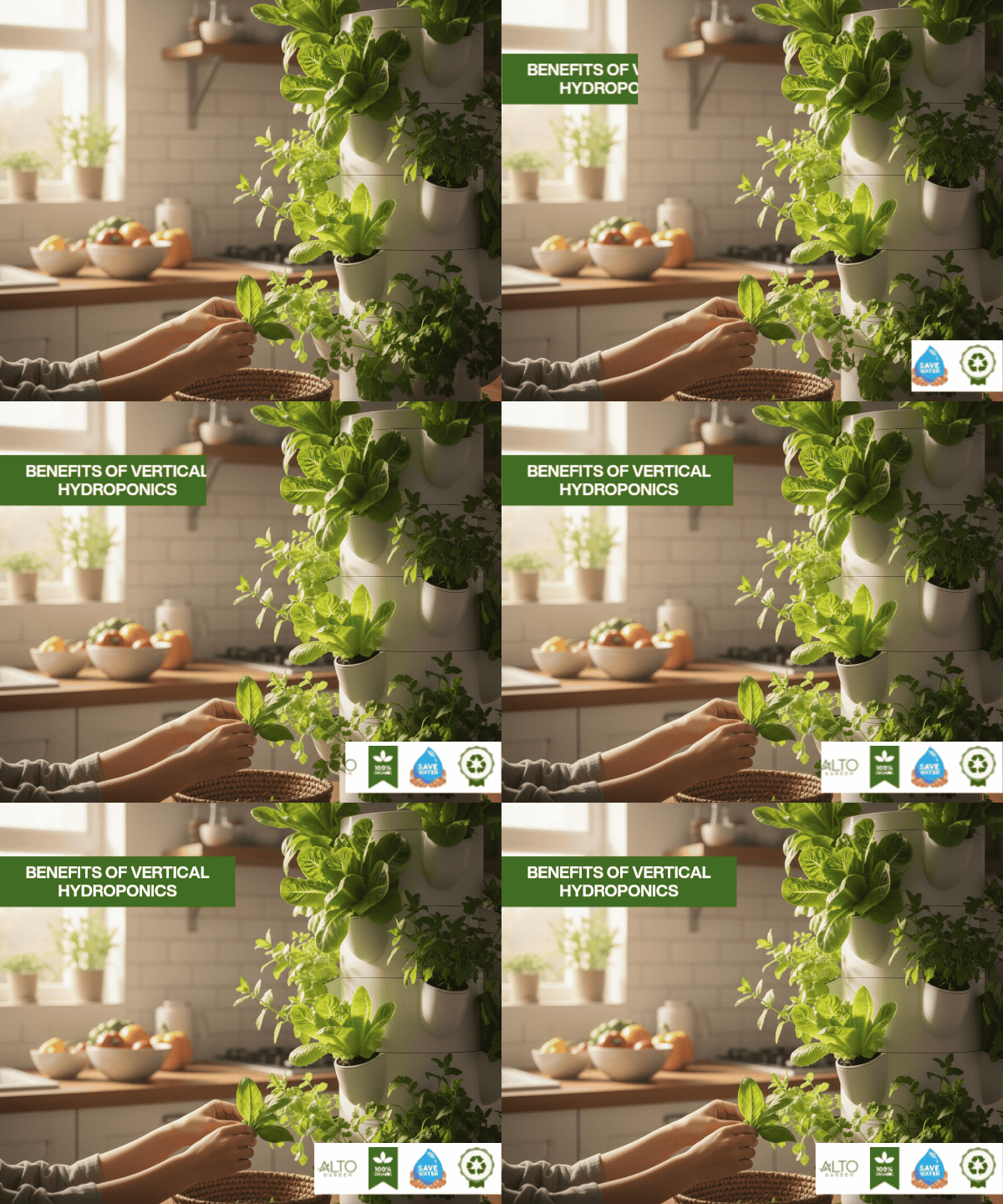
What if you enjoy gardening and cultivating a variety of plants but lack the necessary horizontal floor space or ground surface? To address this issue, the idea of vertical farming was created. The fundamental idea underlying vertical farming may be understood by imagining how towering skyscrapers can be constructed so robustly while housing a large number of distinct rooms spread over several stories. To put it another way, it all comes down to stacking several layers of planting surfaces to increase cultivation.
This fundamental idea of vertical farming is readily transferred to hydroponics, a method of growing plants without the need of soil in which water is used to provide minerals and other nutrients to the roots in precise amounts and in a methodical fashion.
The zig-zag vertical hydroponic system and the hydroponic tower garden are the two primary designs of vertical hydroponics. Owing to their distinct dynamics, both of these vertical designs employ a closed, continuous flow system that entails a steady, thin stream of water passing over the plant roots.
What is a Vertical Hydroponic Tower?
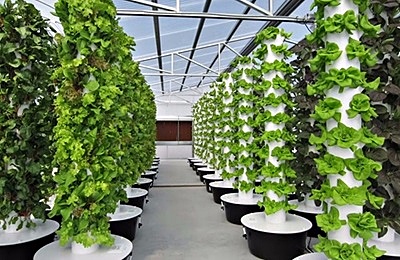
A vertical hydroponic garden system called a hydroponic tower feeds plants with nutrient-rich water. The plants are placed in net cups or tiny pots with their roots exposed to the running water in place of soil. Water trickles down to the plants after being circulated by a pump from a reservoir at the base of the tower to the top. Each plant receives moisture and vital nutrients from the flowing water.
Small areas like kitchens, patios, and balconies are perfect for these systems. Additionally, because they recycle water, they consume less water than conventional gardening. You can cultivate fruits and vegetables that do well in vertical arrangements if you have the proper support structures.
Benefits of Hydroponics and Growing with a Tower Garden
Space Savings with Vertical Towers
The potential to grow more food in less area is the most evident justification for deciding to pursue vertical hydroponics. While using up to 90% less land than a horizontal system, a vertical hydroponic system may produce up to five times as much. Vertical farming makes it possible for individuals to use roofs in urban areas where horizontal systems would not be feasible.
Additionally, because nutrients are delivered straight to the plant in a tower garden, the root systems of plants in these systems are smaller. Because they don't have to branch out and sift through the soil to acquire their water and nutrients, plants may be placed closely together without interfering with one another. In hydroponic farming, there are still creative methods to meet a plant's fungal and microbial demands, even if plants gain a lot from their contact with soil.
Water Efficiency
Growers may use 95% less water when using the vertical farming approach as opposed to traditional soil-based farming. The vertical farming method grows plants in vertically stacked layers using trays or towers. The hydroponic fertilizer solution is absorbed by the plants and re-circulated. As a result, they don't require soil or any other extra media and less water is used.
Year-Round Production
One of the key advantages of vertical farming is the year-round, consistent crop output. You won't have to worry about severe weather if you're a hydroponic gardener raising vegetables the vertical way. You will have control over the essential elements of your farm, including water, fertilizers, air, lighting, temperature, and pH. Thus, crops may be cultivated all year round if indoor conditions are constant.
Additionally, this production continuity stabilizes the food supply, making it less susceptible to frosts, droughts, and other weather-related events. Traditional outdoor farming may be destroyed by these circumstances.
Maintenance is Easy
When compared to traditional gardening, maintaining a vertical hydroponic garden requires far less work. The time required for daily gardening tasks is significantly decreased because tilling, weeding, and soil health care are not necessary. By recirculating the water utilized in the system, waste and the inconvenience of watering land are reduced. It is simple to monitor and regulate pH balance and nutrient levels, guaranteeing ideal growing conditions all year long.
Fewer Weeds, Pests and Diseases
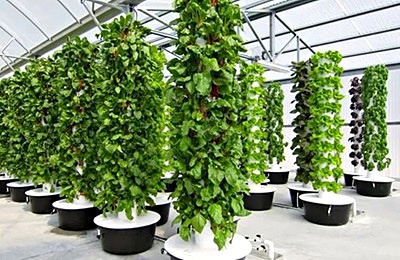
Weeds may affect how effectively your plants develop, and getting rid of them takes time. Since the plants are cultivated in a liquid medium with a hydroponic system, the problem of soil containing unwanted weeds is resolved. For this reason, soil-borne pests are also not an issue. This results in a significant decrease in the need for potentially hazardous pesticides and herbicides.
Waterborne infections can be present in hydroponic systems; however, these hazards can be removed with proper upkeep and cleaning. Commercial farms test their irrigation water for pathogens on a regular basis.
How to Care for a Hydroponic Tower Garden
- The pH range of 5.5 to 6.5 is ideal for the growth of most crops.
- For roots to be healthy, water levels must remain constant. Low water levels can stress plants. To keep the water flowing consistently, top out the reservoir as necessary.
- For healthy growth, some fruiting plants, such as peppers and tomatoes, require additional assistance. For stability and vertical growth, use trellises, stakes, or other support systems.
- Use LED grow lights to make sure your plants get enough light if you're growing inside. To promote consistent development, make sure there is light coverage over the whole tower.
- Plants should be pruned to avoid crowding, particularly in limited areas. Frequent picking stops greens and herbs from bolting and keeps them growing young.
Start Growing Smarter, Not Bigger
Ditch the soil, skip the weeds, and grow fresh food anywhere even a balcony counts. A vertical hydroponic tower gives you year-round harvests with 95% less water and almost zero maintenance.
Buy NowFinal Thoughts
There are several benefits of hydroponics that we can maintain while farming vertically. Resilience to food insecurity may be greatly increased by bringing food production into cities through community gardens, and commercial production on unoccupied land. As populations grow and many areas experience water insecurity, the ability to produce nutrient-dense food with less water will become more and more crucial in the future. Both commercial and home growers, and even city inhabitants without gardens, can benefit from this adaptable growing technique.
FAQs
- What grows best in a hydroponic tower garden?
Leafy greens like lettuce, spinach, kale, and herbs like basil, mint, and cilantro do exceptionally well because they're lightweight and don't need deep root space. Strawberries also work nicely. Fruiting plants like tomatoes and peppers can grow in towers, but they'll need extra support structures like stakes or trellises to hold their weight as they develop. - What are the advantages of hydroponic gardening?
The big ones: you use dramatically less water (up to 95% less than soil farming), you can grow in tight spaces without any ground at all, and you're not fighting weeds or soil-borne pests. Plants also tend to grow faster because nutrients go straight to the roots instead of making the plant work for them. Year-round growing is possible indoors since you control the light, temperature, and nutrients yourself. - How much water does a vertical hydroponic system actually save?
Quite a bit. Research puts it at roughly 95% less water compared to traditional soil farming. The system recirculates the same nutrient solution continuously, so very little is lost. For anyone in a water-scarce region, that's not a minor detail. - Do I need a lot of technical knowledge to get started?
Not really. Basic setup involves filling a reservoir, mixing a nutrient solution, and checking pH (ideally between 5.5 and 6.5). Most home tower systems are designed to be straightforward. The main habits to build: top up the reservoir regularly, check pH once a week, and prune overcrowded plants so they don't compete for light. - Are pests and diseases still a problem in hydroponic systems?
Soil-borne pests and weeds aren't an issue since there's no soil. That said, waterborne pathogens can occur if the system isn't cleaned regularly. A routine rinse of the reservoir and pipes, combined with monitoring water quality, keeps most problems away. Commercial growers test irrigation water for pathogens. At home, regular visual checks and scheduled cleanouts are usually enough. - Is vertical hydroponics worth it for a home grower, not just commercial farms?
For anyone with limited outdoor space like an apartment balcony, a small patio, or a kitchen corner, it makes a lot of sense. You won't be replacing a grocery run entirely, but a tower garden can realistically supply fresh herbs and salad greens year-round. The upfront cost is real, but the ongoing savings on water and the convenience of harvesting from your own space add up over time.