Sep 25th 2026
How a Hydroponic Tower Uses 95% Less Water Than Soil
A hydroponic tower uses up to 95% less water than a soil garden since it recycles the same water instead of adding fresh water to it. A garden tower growing 24 plants uses less than a liter of water daily, while a soil bed producing the same produce wastes the majority of water due to absorption in the soil.
It is a significant difference in efficiency, so it is worth considering how the process works in detail and what mechanisms lie at the bottom of such savings. Here's a guide on how a hydroponic tower uses 95% less water and what happens to the water from the point of entering the reservoir to its absorption.
A hydroponic tower uses 95% less water than soil gardening since it operates on the closed loop and uses the same water over and over again instead of losing it to the soil in the form of evaporation or drainage. A garden tower growing 24 plants uses less than a liter of water per day since the water goes directly to the roots that are exposed in the central chamber.
Why Soil Gardens Waste So Much Water
First of all, a vertical garden and a soil bed start from completely different assumptions about their water delivery methods. This difference in assumptions is the key factor in determining water savings.
Since a soil garden saturates a considerable volume of soil with water to deliver it to the roots of the plant, the water goes beyond the root zone due to gravity, and the sun evaporates the major part of it. According to several studies, root absorption of applied soil water is 5% to 10%. It means that 90% or more of the water in a hydroponic tower is absorbed by the roots, and the water is lost immediately when it enters the soil.
A vertical garden skips all these losses since there's no soil to saturate, there's no surface to evaporate in the sun, and there's no surrounding dirt that would absorb the water. The water goes to the roots and nowhere else, and this is the main reason why a hydroponic tower uses up to 95% less water than a soil bed growing the same crops.
How a Hydroponic Tower Saves 95% of Water
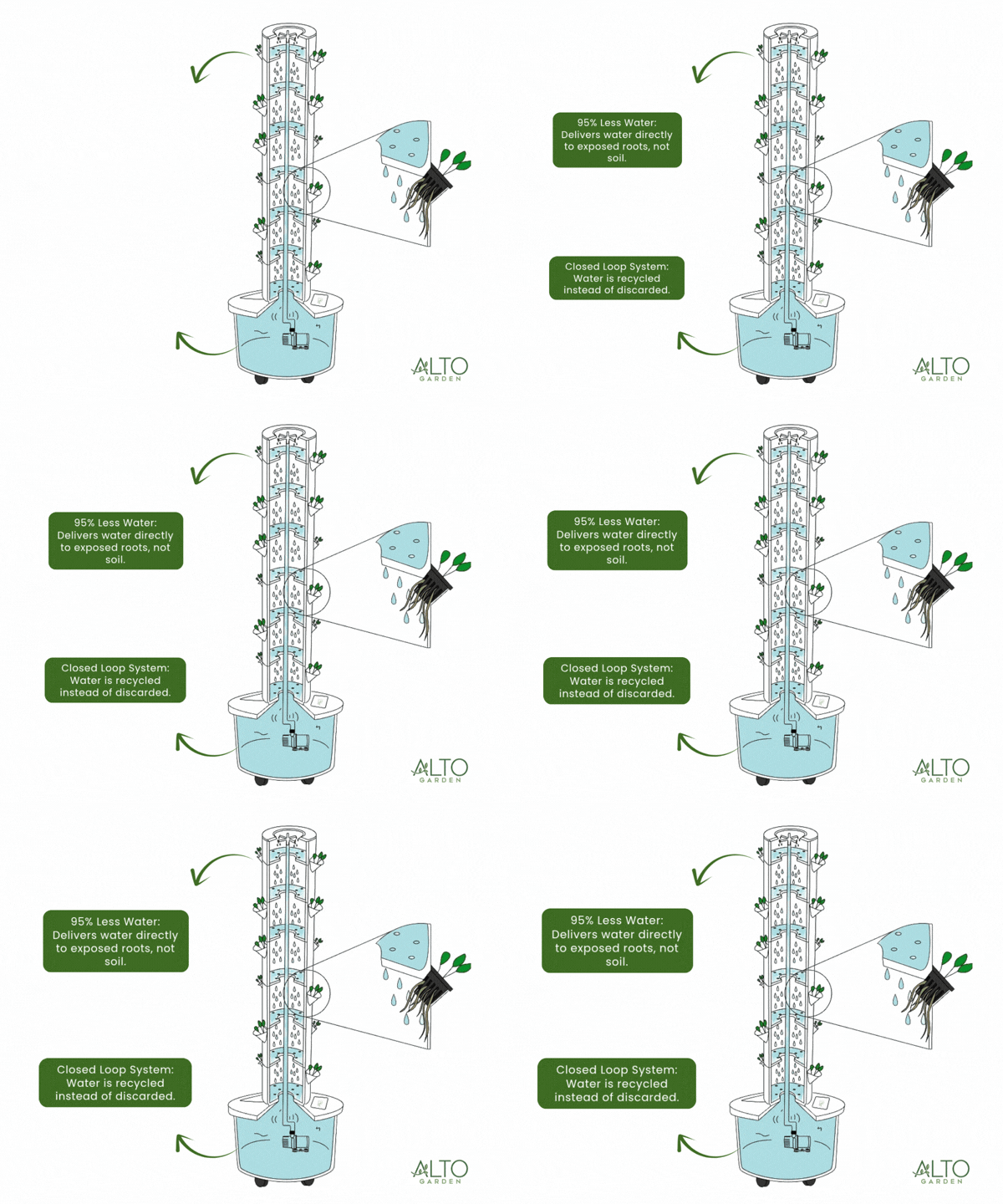
The main mechanism that enables a hydroponic tower to save 95% of water is its unique design. The hydroponic tower recycles its water instead of discarding it, while a soil garden discards it with each irrigation. A water reservoir at the bottom of the hydroponic tower contains a mix of water and nutrients. A small pump pushes that solution up through the center of the tower on a timer, and it trickles back down past each plant's exposed roots before draining back into the same reservoir. The process repeats until the end of the cycle, which means that the same batch of water is used dozens of times instead of pouring out and filling up.
A garden tower delivers only the water the plants need, not the soil around them, since the roots aren't buried in it. This closed loop is the only reason why a garden tower uses up to 95% less water than a soil garden and grows full-sized fruits and vegetables at the same time.
The Numbers Behind the Water Savings
A vertical garden that is growing 24 plants uses less than a liter of water a day, depending on the crop and the weather. The figure is justified by the fact that the reservoir is not filled from scratch, only topped off, and the pump moves the water only during the timer calls. Besides, there are several other numbers connected with using the garden tower:
It occupies less than 1 square meter, or under 10 square feet, of floor space, while replacing 50 to 60 square feet of traditional soil garden space that would be needed to grow the same volume of produce. Plants in a hydroponic tower grow 3 times faster than in the soil since none of the plant's energy goes to the roots that search for water that a soil garden loses to the runoff. Furthermore, yields are 30% higher in hydroponic towers since there are no such losses.
Where Does the Water Go in a Vertical Garden?
It is easier to find out where the problem is located if the water level in the reservoir decreases faster than expected.
There are two destinations of the water in the hydroponic tower: the root absorption or evaporation from the surface of the reservoir. Since there is no soil to lose water and no runoff in the growing zone, the only destinations of water in a hydroponic tower are the root absorption and the evaporation from the open reservoir. If you cover or shade the reservoir, the evaporation reduces significantly, and this is one of the reasons why water consumption in a hydroponic tower is so low even in warm weather.
It is necessary to mention that a hydroponic tower requires its pump to be working on schedule. If the timer is set incorrectly or the pump was unplugged for several days, the water sitting stagnant in the reservoir can grow algae, and the roots will miss the opportunity of the regular circulation.
Setting Timers for the Maximum Water Efficiency
The pumps in the hydroponic towers operate for 15 minutes out of every hour during 14-16 hours a day, and the rest of the time is left dry for the roots to receive oxygen. Such an interval is the key to the water efficiency of the garden tower. Roots are supplied with water often enough but are not soaked.
If you set up a hydroponic tower for the first time, there are systems with automated timers, like the ALTO Garden GX Hydroponic Tower. With this system, the watering and lighting schedules will be done automatically, and you won't need to control the water efficiency manually.
Furthermore, there are many other advantages that come along with the water savings.
Other Benefits that Come Along with Water Savings
95% of water savings is not the only advantage of growing in a hydroponic tower, although it is usually the key number that catches people's attention. The same closed loop that allows saving the water cleans the system so that it is suitable for indoor use, since there is no soil to get inside your house. Furthermore, a hydroponic tower is able to work regardless of the season, and since nothing is spread outdoors, there is less exposure to pests and diseases that soil gardens suffer from.
Final Thoughts
Saving 95% of water is not a marketing figure but the direct result of not pouring water onto the soil. A hydroponic tower recycles water lost to evaporation and runoff in the soil garden. This closed-loop system is the key to its overall efficiency. When you decide between a vertical garden and a traditional bed, water savings will be the main advantage.
FAQs
- How Much Water Does the Garden Tower Use Per Day?
A garden tower growing 24 plants uses less than a liter of water a day depending on the crop, the weather, and the amount of evaporation from the reservoir. - Why Does a Vertical Garden Save More Water Than Drip Irrigation?
Drip irrigation waters the soil, but some water evaporates or runs off before the roots can absorb it. A vertical garden delivers the water directly to the exposed roots and recycles the unused one, so almost none of the water is lost. - Do I Need to Refill the Reservoir of the Hydroponic Tower Every Day?
It is unnecessary to fill the reservoir of the hydroponic tower every day since most home towers only need the reservoir topped off every few days to a week. - Does the Hydroponic Tower Waste Water If the Pump Runs Too Often?
Running the pump too often doesn't lead to wasting since it is recirculating the same reservoir. However, it may cause oversaturation of the roots and lack of oxygen. That's why the 15-minute cycle is more important than running the pump constantly. - Can I Use Tap Water in the Garden Tower, or Should It Be Filtered?
Tap water is okay for most home towers, although water with high mineral content affects pH readings. It is worth testing the water in the reservoir weekly regardless of the water source for your hydroponic tower.