Jul 30th 2026
How to Build a Hydroponic Garden Indoors: Tips, Kits & Towers
Nowadays, growing your own food inside is more than just a clever pastime; it's a sensible way to eat healthily, cut down on waste, and take back control of your diet. Additionally, learning more about indoor hydroponic gardening has never been simpler thanks to hydroponics. With the right setup, you can grow herbs, leafy greens, and even little fruits in your kitchen or living room without the need for a garden, soil, or clutter. We'll walk you through what you need and provide step-by-step instructions on how to get started in this guide.
Pre-Built Kits and Tower Systems
Hydroponic Tower Gardens
A hydroponic tower is a vertical growing system that replaces soil with a water-based fertilizer solution. It’s space-efficient, frequently modular, and purpose-built to help you produce herbs, greens, and fruits in small spaces—indoors or outdoors. Nutrient-rich water is directed to flow through a hydroponic system, giving plants what they require to flourish. In addition to saving space, this kind of system also encourages quicker development since it provides greater access to water and nutrients.
Hydroponic Countertop Systems
Countertop systems are much smaller than towers, about the size of a large shoe box – making them ideal to place on your kitchen countertop. They employ a water chamber with growth media "pods" hanging above it. Water levels are maintained, lights are programmed to keep the plants lighted for a predetermined amount of time, and plant food is occasionally given to the apparatus. Because of their smaller size, they are best suited for herbs.
Step-by-Step: How to Build an Indoor Hydroponic Garden Kit
- Setting up your equipment is simple once you have it. Here's how to get started with your tower garden system:
- Observe the guidelines for the model you have selected. Verify the levelness and stability of your water reservoir. For ALTO Garden, modules snap into position simply and don’t require tools.
- Pour clean, filtered water into the reservoir. Add your nutrient solution. Mix well by stirring or swirling.
- Put your seedlings in each net pot. Place the net pots in the countertop tray or tower slots.
- Turn on your system. The pump and lights will operate in a cycle (e.g., 15 minutes on, 45 minutes off) if it is automated. Set reminders for watering and lighting times if it's manual.
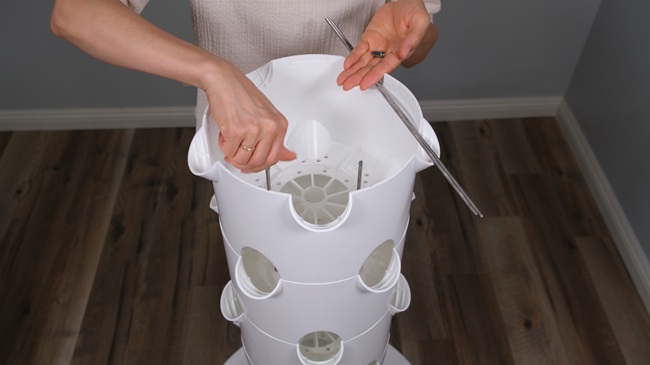
Tips to Build a Hydroponic Tower System Indoors
Location is Key
When deciding on hydroponic towers, the first thing that comes to mind is where to place it. Putting it outside is simple because of the amount of direct sunlight they will receive, but placing your tower indoors might be more challenging.
Ideally, you should place your indoor gardening system in a well-ventilated location, where you can use full-spectrum grow lights and keep the temperature between 65 and 75°F (18 and 24°C). If your space isn’t well-ventilated, you can install a small fan nearby.
You can always set up your hydroponic system in your living areas as well. As previously said, avoid subjecting it to temperature changes, such as chilly air from air conditioners or heating equipment. The choice is yours just remember that the key here is a level surface, and the more regulated the space, the better.
Temperature Consistency
These smart and elegant modern hydroponic growing systems can be installed in any type of space. But there are some things that need to be checked before deciding where to install your system. One common error is to set up your hydroponic tower in an area with inconsistent temperature, such as a garage or a room with inadequate ventilation. Although these places might appear practical, these temperature fluctuations might harm your plants.
Light Requirements
Lighting is the cornerstone of hydroponic success, whether you use natural sunshine or make an investment in cutting-edge LEDs. Your plants are totally dependent on artificial lighting when they are grown indoors. Selecting the best grow light is essential because not all of them are made equal. Find a light that mimics the wavelengths of natural sunshine. For towers – watch out for concentrated light at the top but weak coverage at the bottom. The secret is to be consistent. Most tower crops flourish with 12–16 hours of light every day. This is easy with timers. Our towers at ALTO Garden are designed to flourish in both the sun and with LED grow lights, allowing you to continue growing throughout the year.
Hydroponic Tower Watering Schedule
Depending on the kinds of plants growing and the hardiness zone in which it is situated, each hydroponic system has different watering requirements. Since hydroponic towers use water pumps to push the nutrient solution to the top of the tower, watering is pretty uniform as it drips back down into the reservoir. A good starting point for indoor watering is to set your timer to run 15 minutes every hour, for 14 hours a day.
Monitoring pH
Monitoring pH is important. pH influences how effectively plants can absorb nutrients. Some nutrients may become inaccessible if the pH deviates from the optimal range of 5.5 to 6.5. To guarantee balanced nutrient absorption, growers will want to test pH on a regular basis. In order to prevent stunting your plants, always correct your pH AFTER mixing your nutrients, since the fertilizer themselves can alter the pH.