Mar 5th 2026
How to Reduce Algae in Hydroponic Systems: Tips & Solutions
Algae can sometimes be challenging to manage when growing with hydroponic systems. One of the most effective defenses for most growers is prevention by light exclusion from the nutrient solution, reservoirs and growing media surfaces.
In the majority of hydroponic systems it might be challenging to maintain total control over all algae development. As long as the quantity of algae in their system doesn't go out of control, most growers can handle minor levels of it without experiencing any issues. A successful hydroponic garden requires that you keep it under control and make sure it doesn't spread too much.
There are several methods for eliminating and preventing algae. We'll talk about a few best practices that anyone can follow.
What Are Algae?
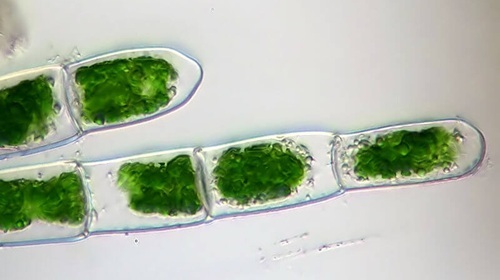
Algae are basic aquatic creatures that resemble plants but lack actual stalks, roots, or leaves. They absorb solar energy and have chlorophyll. They are a living organism that engages in photosynthetic activity. Algae are made up of a variety of creatures that are categorized based on their cell walls, colors, energy-storing carbohydrates, and the kinds of whip-like structures they use to move.
Although algae come in a wide variety of forms, they may be broadly divided into two groups: microalgae and macroalgae. It is more typical to refer to macroalgae as seaweed. You don't have seaweed growing in your hydroponic garden, despite the fact that it has numerous useful applications and might be a major factor in climate solutions. The more than 300,000 species of single-celled organisms known as microalgae use sunlight to transform nutrients into energy. Approximately 10% of the width of a human hair, microalgae are minuscule and do not have circulatory systems or roots as plants do.
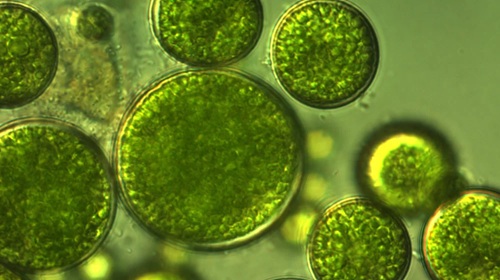
In hydroponic systems, algae development can be a recurring problem that causes competition for nutrients, clogged tubing, and low oxygen levels. Algae have the potential to impact plant health and system efficiency by fostering the growth of dangerous bacteria and fungus if they are not controlled.
How Can I Prevent Algae from Growing?
Block Light from Entering the Hydroponic System
Since algae like sunlight, it is advised to cover any exposed parts of your hydroponic system. To keep light out, make sure to cover your nutrient reservoirs. To keep light from getting to the nutrient flow, use dark pipes and tubing.
Keep all of your reservoir's lids closed, and let as little light as possible into other spaces. To prevent light from entering the system from around the roots of the plants, you can use reflective net pot covers for hydroponic systems. Long-term algae control may be achieved using this method.
Use NPK Hydroponic Nutrient with Algaecide
Since the growth of algae need the same nutrients (nitrogen, phosphorus, and potassium) as plants, it is usual practice to use NPK hydroponic fertilizers combined with an algaecide to preserve water quality. While keeping algae at bay is essential to minimizing oxygen depletion, the type of algaecide used and how it interacts with nutrients must be carefully considered to minimize damage to plant roots.
Improve Water Circulation
Algae flourish in stagnant water because it provides the ideal conditions. By guaranteeing constant nutrient flow and minimizing stagnant regions where algae can form, proper water circulation and aeration aid in the prevention of algae growth. Algae like stagnant water, so run air stones and keep circulation strong. Reduce nutrient-rich "leftovers" by scheduling solution changes.
Maintain Proper Temperature and pH
One effective strategy to stop or at least lessen algae development is to maintain temperatures below 77°F, or 25° Celsius. Remember that algae often like somewhat alkaline circumstances, so maintain appropriate pH levels as well. Maintaining a slightly acidic hydroponics system may be sufficient to avoid this problem.
Use pH meters and buffers to check and adjust pH on a regular basis. A pH reading over 7.0 is the algae danger zone. Keep pH in the optimal range of 5.5 to 6.5. If the pH begins to rise, use solutions that lower the pH, such as pH down.
Filtration and Cleaning
Biological and mechanical filters can be very helpful in stopping the growth of algae. These filters lessen the formation of algae by using helpful microorganisms and physical filtration techniques. Another method is to manually clean your hydroponic system on a regular basis. Algae feed on dead roots, decomposing plant waste, and surplus nutrients. Algal growth may be prevented by keeping organic material out of your hydroponic system.
How Can You Eliminate Algae Growth in Hydroponics?
First things first, we advise you to clean the system and drain the water from your basin. As with dishes or cutlery, the majority of kits are designed to be readily cleaned in a sink with soap and water. Following the cleaning process, you might want to use a diluted solution of around 3% hydrogen peroxide to clean the basin. Doing this will help eradicate any bacteria and prepare your basin for use.
Here’s how you can eliminate algae growth in your hydroponic tower garden.
- Cover any exposed surfaces where light and water may come into contact, such as reservoirs and tubing.
- Improve water circulation and make sure your pH is in the range of 5.5 to 6.5
- One effective strategy to stop or at least limit algae development is to maintain temperatures below 77°F or 25° Celsius.
- Keep your system free of dead roots and decomposing plant waste, which algae like to feed on.
Here are some more advanced solutions:
- For every gallon of hydroponic water, add 3 to 5 milliliters of 3% hydrogen peroxide.
- You can also utilize UVC light as an alternative. This particular kind of light is used in hydroponics, and aquaponics, and is meant to kill a range of microorganisms, including algae. These lights are quite effective, but they may be expensive.
- For bigger hydroponic systems, you may choose to use mechanical filters with an integrated pump to manually remove the algae.
- Algae eaters, which will naturally crawl around regions where algae accumulate and eat the algae off your system for you, are a great option for aquaponic systems. This isn't possible with hydroponic systems, though.
Final Thoughts
In conclusion, algae development in hydroponics can be an issue because it’s unsightly and may even deprive your plants of nutrients if left uncontrolled. However, it’s usually not harmful to plants and isn’t the end of the world! You can clear algae up or even eliminate it altogether with a few little adjustments.